Travel usually does not ruin progress by itself. Slow recovery after travel does.
If you use a simple maintenance-and-return framework, trips become manageable variables instead of reset events.
The four anchors during travel
- movement floor
- protein baseline
- sleep minimum
- tracking continuity
You do not need perfection. You need enough structure to return quickly.
Pre-trip setup that saves you later
Before departure, define:
- fallback movement option
- simple protein options
- first-day return plan
This reduces decision fatigue during the trip.
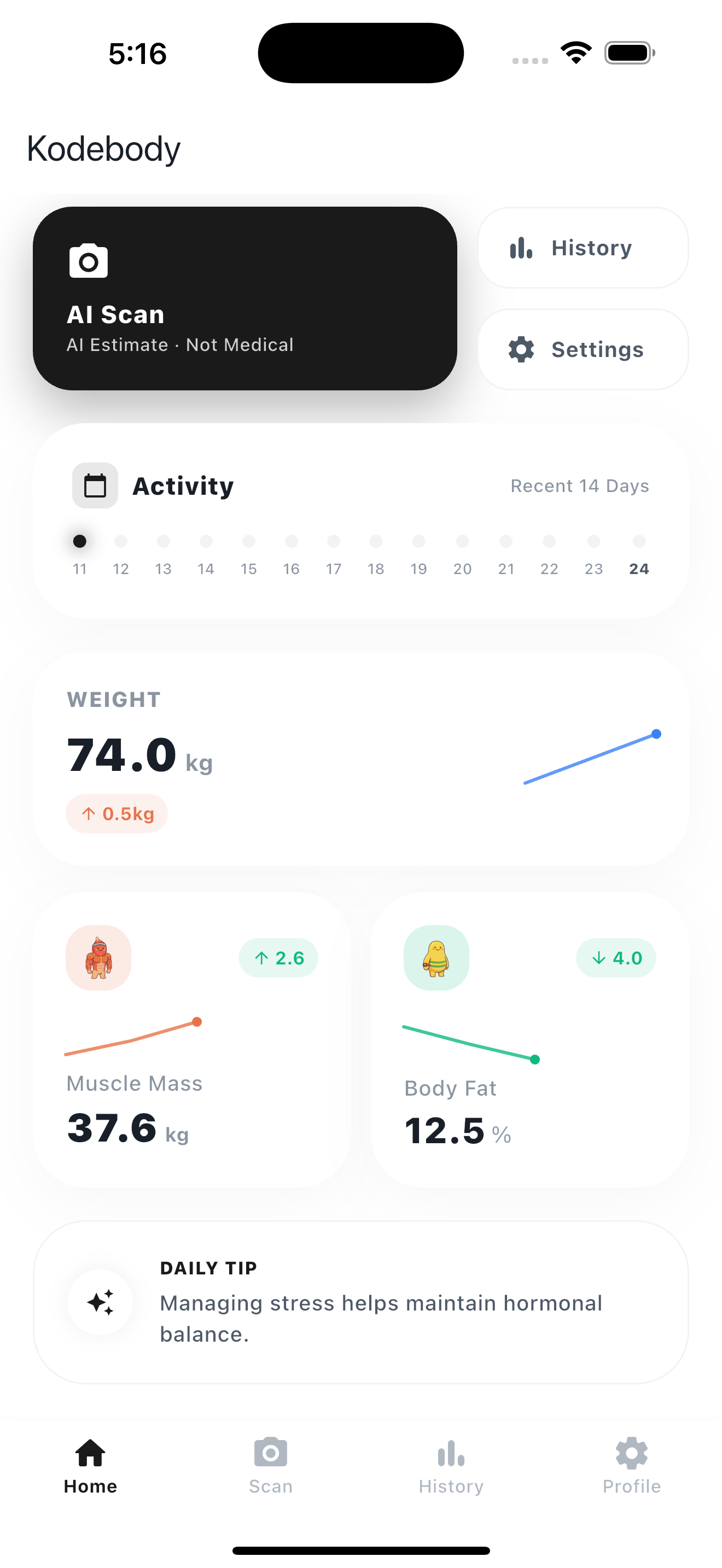 Travel strategy works best when the target is continuity, not optimization.
The 72-hour return protocol
Day 1:
- normalize hydration and meal rhythm
- prioritize sleep recovery
Day 2:
- resume moderate training and logging cadence
Day 3:
- check trend direction and set one adjustment
Fast re-entry protects momentum better than strict travel-day control.
Travel mode decision rules
When choice quality drops during travel, use these rules:
- prioritize protein at main meals
- maintain movement floor even on off days
- avoid all-or-nothing reactions after one large meal
These rules keep the system stable when ideal control is unrealistic.
Trip-type adaptations
- business trips: favor short structured sessions
- leisure trips: focus on movement and sleep floor
- mixed trips: protect logging continuity and reset speed
Different trip types need different minimums, but the same recovery logic.
Bottom line
Travel is not a progress disaster unless recovery is unplanned.
Use a maintenance framework while away and a structured 72-hour reset when back. That is usually enough to keep long-term body-composition trends intact.
- Product page: Kodebody
- Related read: 15-Minute Weekend Check-In Routine
- Related read: Office Worker Body-Composition Routine
- Related read: Weight-Loss Plateau Checklist