Beginners often assume they need full gym access before strength progress is possible.
For most early-stage trainees, that is not true. Progress is usually limited by structure, not equipment.
What drives beginner progression without a gym
- repeatable weekly frequency
- clear progression rules
- consistent recovery habits
If those are stable, bodyweight and simple variations can still produce meaningful body-composition change.
A practical 6-week progression frame
Weeks 1-2: technique and rhythm
- lock 3 sessions per week
- prioritize clean reps and movement control
Weeks 3-4: progression start
- increase reps or tempo gradually
- keep form quality stable
Weeks 5-6: progression consolidation
- add difficulty through control, not randomness
- avoid changing too many variables at once
This framework is simple enough to sustain and structured enough to measure.
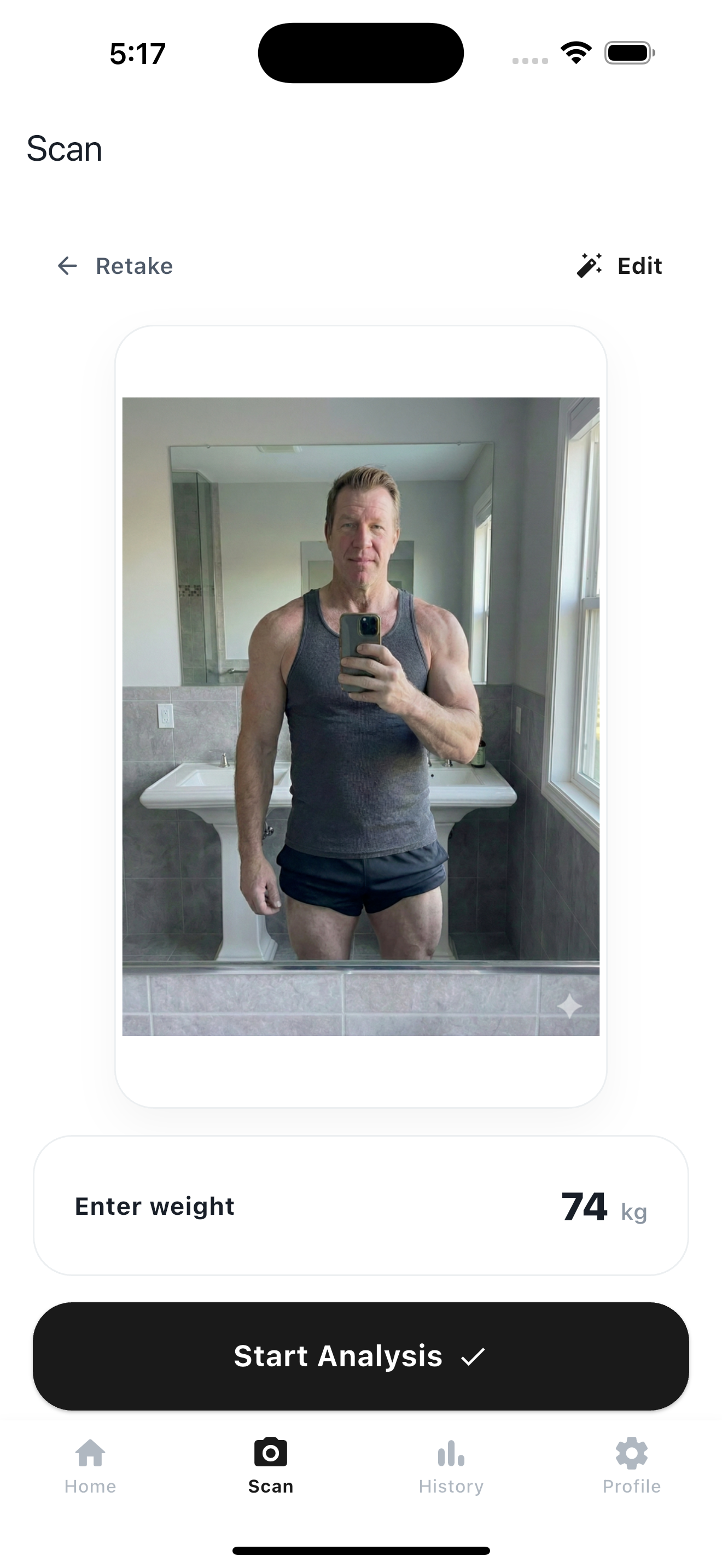 Beginner progress quality is usually defined by consistency and trend interpretation.
A simple session pattern
Build sessions around core movement categories:
- squat/lunge pattern
- push pattern
- hinge/bridge pattern
- core stability pattern
The exact exercise matters less than whether you can progress it week to week.
Progress evaluation rules
Do not judge by scale weight alone.
Use this order:
- execution consistency
- movement progression trend
- body-fat direction
- muscle stability trend
This reduces false "no progress" conclusions.
Common mistakes
- changing exercise selection every week
- chasing soreness instead of progression
- increasing intensity before movement quality is stable
- dropping logs and guessing outcomes
Bottom line
No-gym beginner strength progress is realistic when progression is structured.
Keep the plan repeatable, track trend direction, and adjust one variable at a time. That is usually enough to convert effort into visible body-composition change.
- Product page: Kodebody
- Related read: 8-Week Home Workout Scenario
- Related read: Cardio vs Strength for Fat Loss
- Related read: Body Fat and Muscle Tracking Strategy