Meal timing matters, but not in the way most people think.
For body composition, timing is usually a support lever, not the primary lever. If total intake and protein consistency are unstable, timing optimization alone rarely solves the problem.
Priority order that works in practice
- total intake structure
- protein consistency
- meal timing refinement
This order prevents effort from being spent on lower-impact changes first.
When timing helps most
Meal timing becomes valuable when it:
- reduces long fasting gaps that trigger overeating
- improves workout fueling and recovery
- stabilizes weekday/weekend eating rhythm
In short, timing works when it reduces execution friction.
Sustainable timing models
- structured three-meal rhythm for snack-prone schedules
- flexible two-main-meal model for lower decision fatigue
- training-day timing emphasis for performance-sensitive plans
The best model is the one you can repeat under stress.
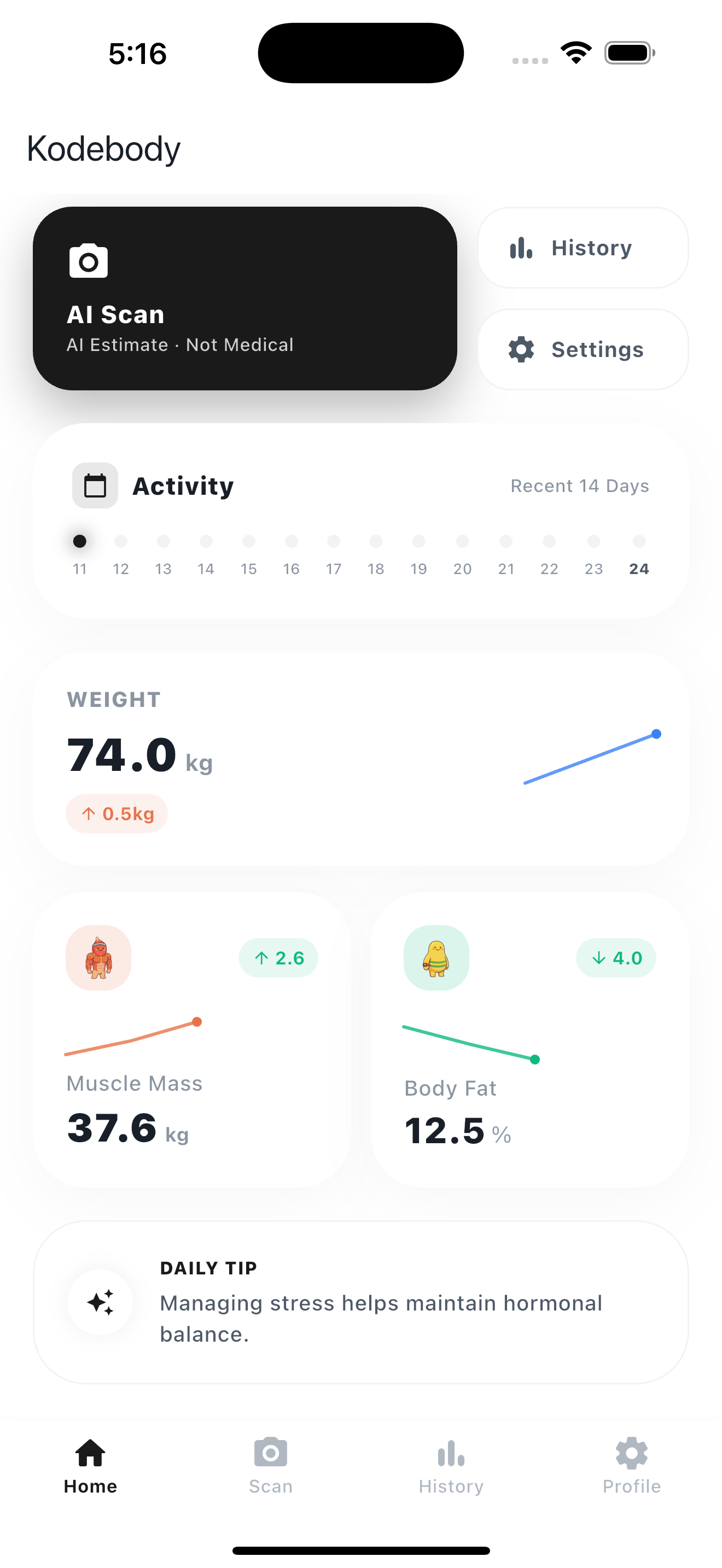 Timing quality should be judged by trend outcomes, not rule strictness.
Common mistakes
- optimizing timing before fixing intake structure
- rigid rules that collapse on social schedules
- fasting windows without protein consistency
- changing multiple nutrition variables at once
These mistakes create noise and hide what actually works.
A 2-week timing test
- choose one timing change only
- keep other variables stable
- track body-fat/muscle direction over two weeks
- keep or discard based on trend, not opinion
Simple testing beats ideology.
Bottom line
Meal timing is useful, but it is not magic.
Build fundamentals first, then use timing to support adherence and performance. If your schedule reduces friction and improves consistency, timing is doing its job.
- Product page: Kodebody
- Related read: Protein Intake Guide for Body Composition
- Related read: BMR Calculation vs Real Fat Loss
- Related read: Weight-Loss Plateau Checklist