Many diets fail because daily interpretation is unstable, not because effort is low.
One bad scale reading triggers panic edits. Panic edits increase fatigue. Fatigue breaks adherence. The cycle repeats.
The fix is not more willpower. The fix is a better interpretation system.
Why scale-only tracking drains motivation
Daily weight responds to short-term noise:
- hydration shifts
- sodium variation
- sleep disruption
- training inflammation
If you treat this as fat gain/loss feedback, motivation becomes fragile.
A motivation-stable metric set
Track these three together:
- weight (context)
- body fat percentage (direction)
- muscle mass (quality)
This removes many false failure signals.
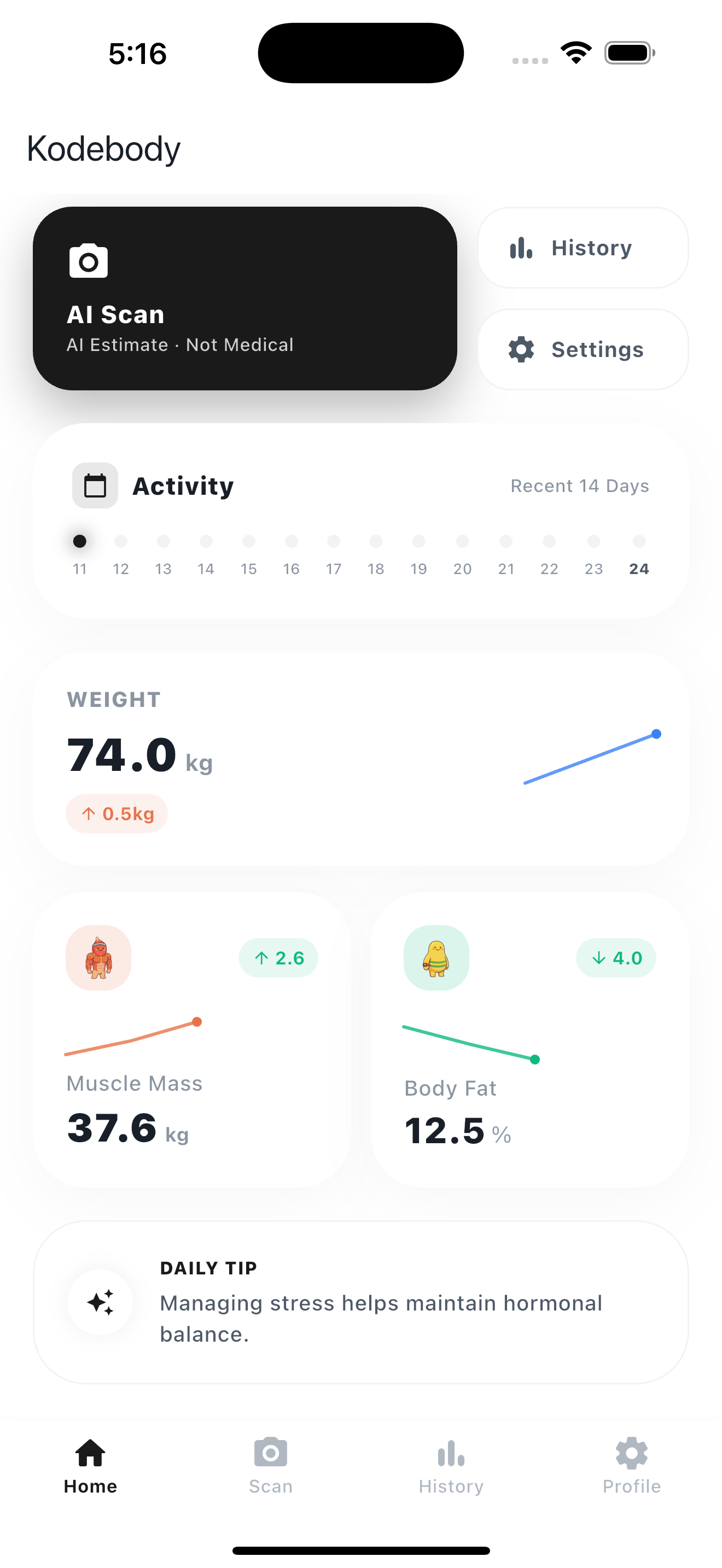 When core metrics are read together, trend interpretation becomes calmer and clearer.
A simple weekly operating routine
- log 2-3 times per week under similar conditions
- run a 10-minute weekly review
- choose one adjustment for next week
That is enough to keep decision quality high without tracking burnout.
What to do on a "bad numbers" day
Use this sequence:
- no same-day full-plan changes
- collect 2-3 additional points
- review context notes (sleep, meals, stress)
- adjust one variable only
This prevents emotional over-correction.
Why Kodebody helps this workflow
- quick scan-to-history loop
- side-by-side metric context
- easier weekly trend reading
It supports decision rhythm, not just data storage.
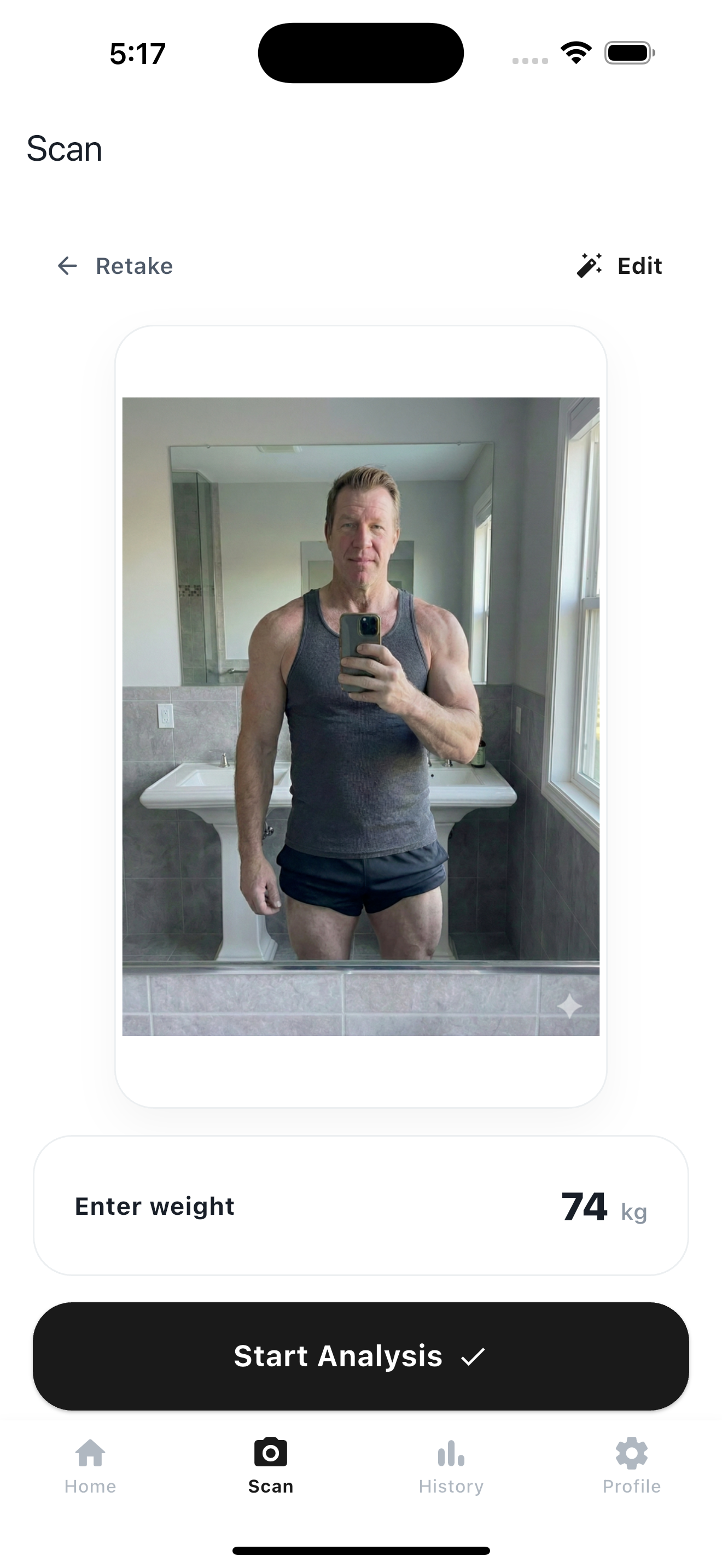 Good tracking reduces decision fatigue and increases long-run adherence.
A motivation stabilization cycle (4 weeks)
- Week 1: lock measurement conditions
- Week 2: identify highest-stress decision moment
- Week 3: install one rule for that moment
- Week 4: evaluate whether stress reactions decreased
This cycle helps you build resilience into the process, not just data volume.
Panic-response guardrails
On a noisy day, do not:
- cut calories aggressively
- add random extra training volume
- label one bad point as failure
Do:
- gather two more data points
- check sleep and schedule stress
- change one variable only
Bottom line
Diet progress is not a daily score game. It is a weekly direction game.
If your system protects motivation on noisy days, you can stay consistent long enough for real body composition change.
- Product page: Kodebody
- Intro guide: Getting to Know Kodebody
- Workflow guide: How to Track Body Composition Without InBody