Hydration does not just affect how you feel. It affects how your body composition readings behave day to day.
Many "bad" scan days are not true fat gain or muscle loss. They are context noise from inconsistent hydration, sleep, sodium intake, and training timing.
Why hydration creates noisy readings
Short-term shifts in fluid balance can distort interpretation across:
- weight
- body-fat estimates
- lean/muscle indicators
This is why one outlier session should not trigger immediate plan changes.
High-noise conditions to flag
- unusually high-sodium meals
- poor sleep nights
- heavy training just before scan
- unusual hydration pattern vs your baseline
- inconsistent scan time window
Flagging these conditions protects decision quality.
Consistency protocol that works
- scan in a fixed time slot
- keep pre-scan routine similar
- avoid immediate post-workout scans
- use stable camera setup
- write short context notes
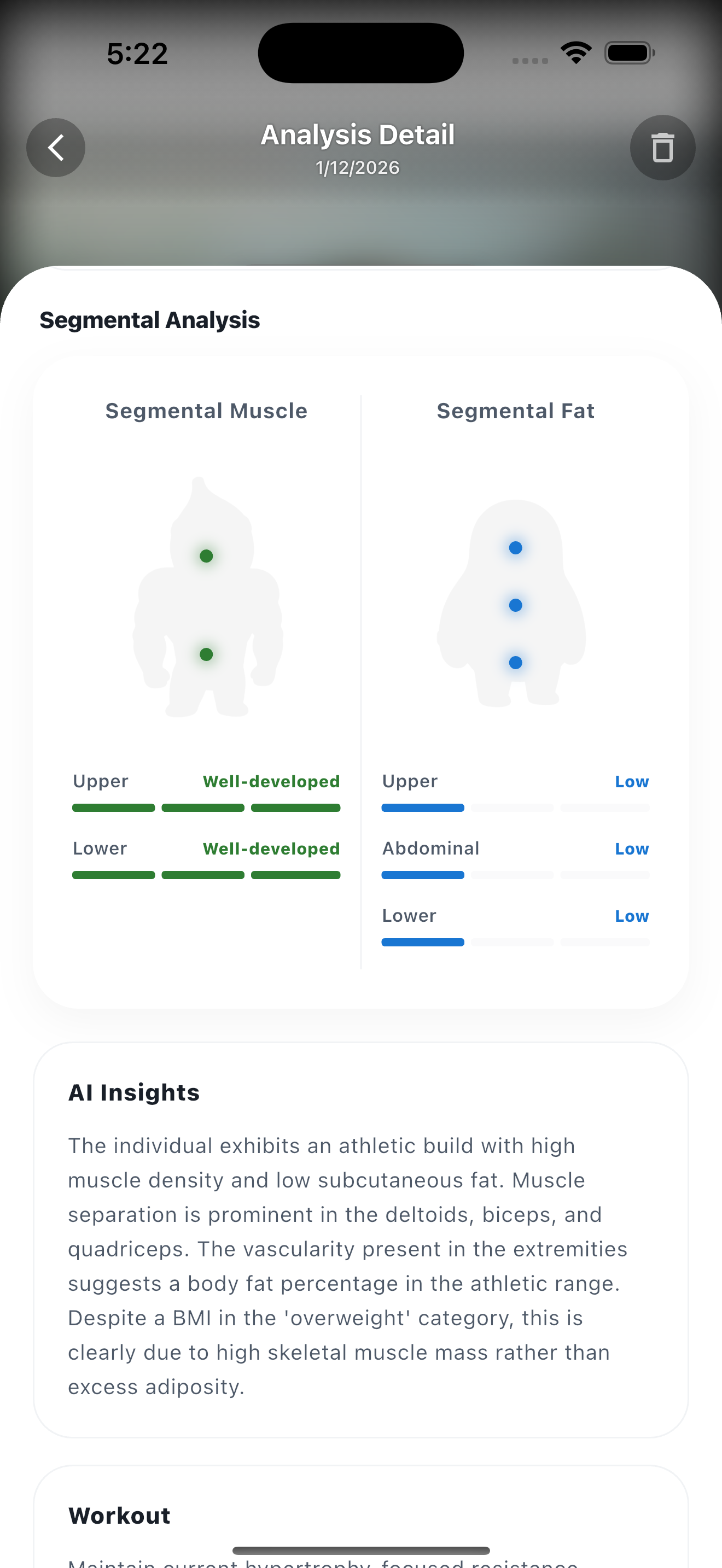 Consistency usually improves scan usefulness more than any one-time accuracy tweak.
How to react to a noisy day
- do not panic-edit diet/training same day
- collect 2-3 follow-up points
- read trend direction first
- adjust one variable if the pattern persists
This prevents false plateaus and unnecessary overcorrection.
Bottom line
Hydration-related noise is normal. Misinterpreting it is optional.
Standardize your scan routine and evaluate trend windows, not isolated spikes. That alone usually improves both confidence and results.
- Product page: Kodebody
- Related read: Morning Body Composition Checklist
- Related read: How to Read Kodebody History Graphs
- Related read: Weight-Loss Plateau Checklist