"What is a normal body-fat percentage?" is a useful question, but it can become misleading when treated as the only question.
Normal-range charts are reference tools. They help you understand position, but they do not tell you how your body is changing week to week, or what to adjust next.
What ranges are good for
They are useful for:
- baseline orientation
- broad risk awareness
- setting realistic direction
They are not designed to replace trend analysis, especially if your goal is practical body-composition change.
Why context matters
The same body-fat value can mean different things depending on:
- muscle trend
- training background
- sleep and stress load
- adherence quality over time
This is why a single percentage should not be treated like a pass/fail score.
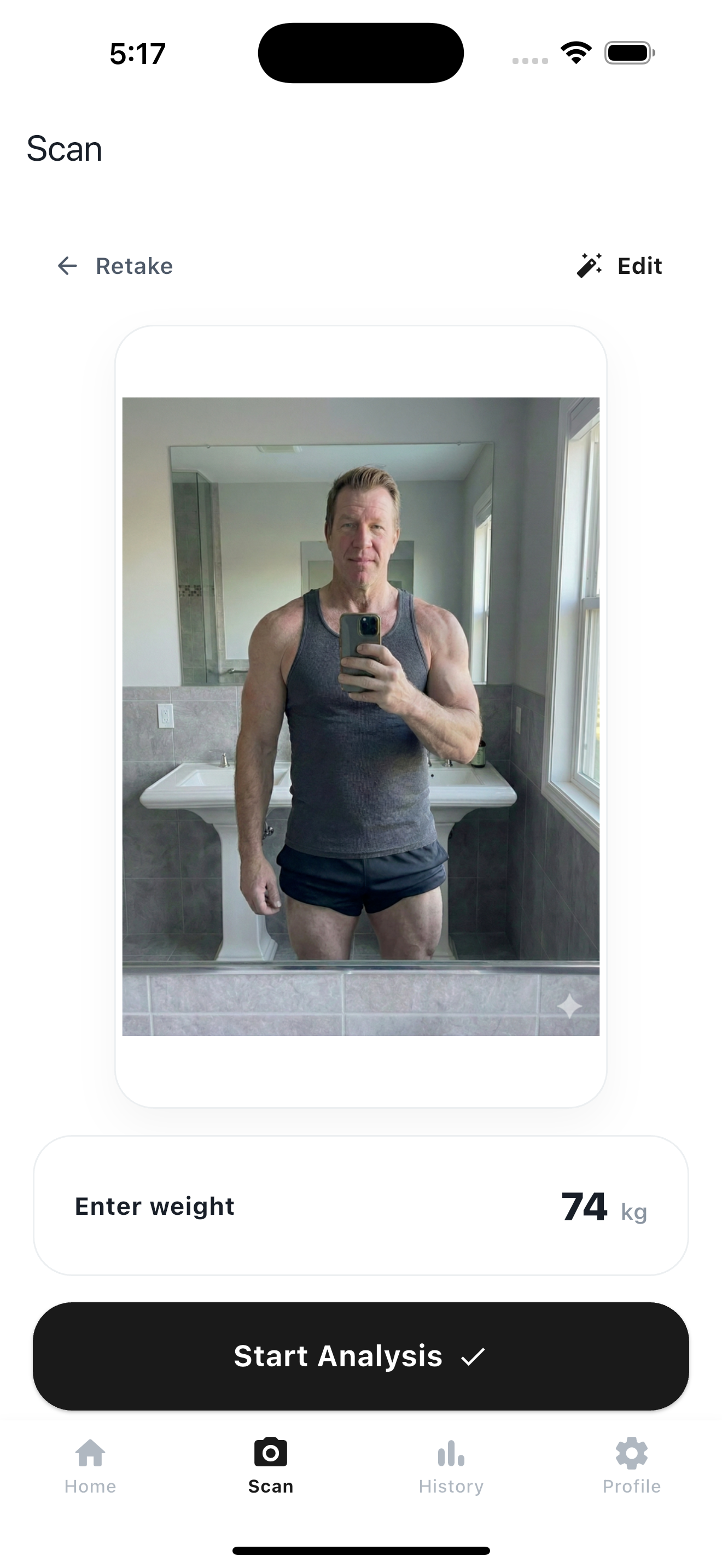 Range context becomes useful only when paired with muscle trend and behavior consistency.
A better way to use range data
Use a two-layer model:
- Layer 1: where you are (range context)
- Layer 2: where you are moving (trend direction)
Then tie interpretation to behavior. If reading does not produce one clear weekly action, it is not operational yet.
Common interpretation mistakes
- calling yourself "off track" from one noisy week
- chasing a target number while muscle trend deteriorates
- setting an aggressive timeline disconnected from real-life adherence
- changing multiple variables at once
These mistakes usually create emotional volatility, not faster progress.
Practical review rhythm
A stable rhythm for most people:
- 2-3 logs per week
- monthly trend review
- one controlled adjustment at a time
Over time, this is more reliable than one-off number chasing.
Bottom line
Normal ranges are useful maps, not full strategy engines.
Use them for context, then make decisions from trend direction, muscle stability, and execution quality. That is the structure that tends to produce progress you can actually sustain.
- Product page: Kodebody
- Related read: BMI vs Body Fat Percentage
- Related read: Body Fat and Muscle Tracking Strategy
- Related read: Weight-Loss Plateau Checklist