You can manage body composition effectively without frequent InBody access.
The limiting factor is usually not device availability. It is continuity. AI body scanning works well when scans are repeated under stable conditions and interpreted through trend logic.
Why this approach works
Occasional high-precision checks are useful, but operational decisions require continuity.
Without continuity:
- trend direction stays unclear
- overreaction increases
- adjustment quality drops
AI scan workflows can fill this continuity gap.
Core routine without InBody
- standardize scan conditions
- log 2-3 times per week
- review weekly and monthly trends
- adjust one variable at a time
This is simple enough to sustain in normal life.
Standardization checklist
- fixed time window
- stable lighting and camera distance
- consistent posture/framing
- short notes for sleep, stress, unusual meals
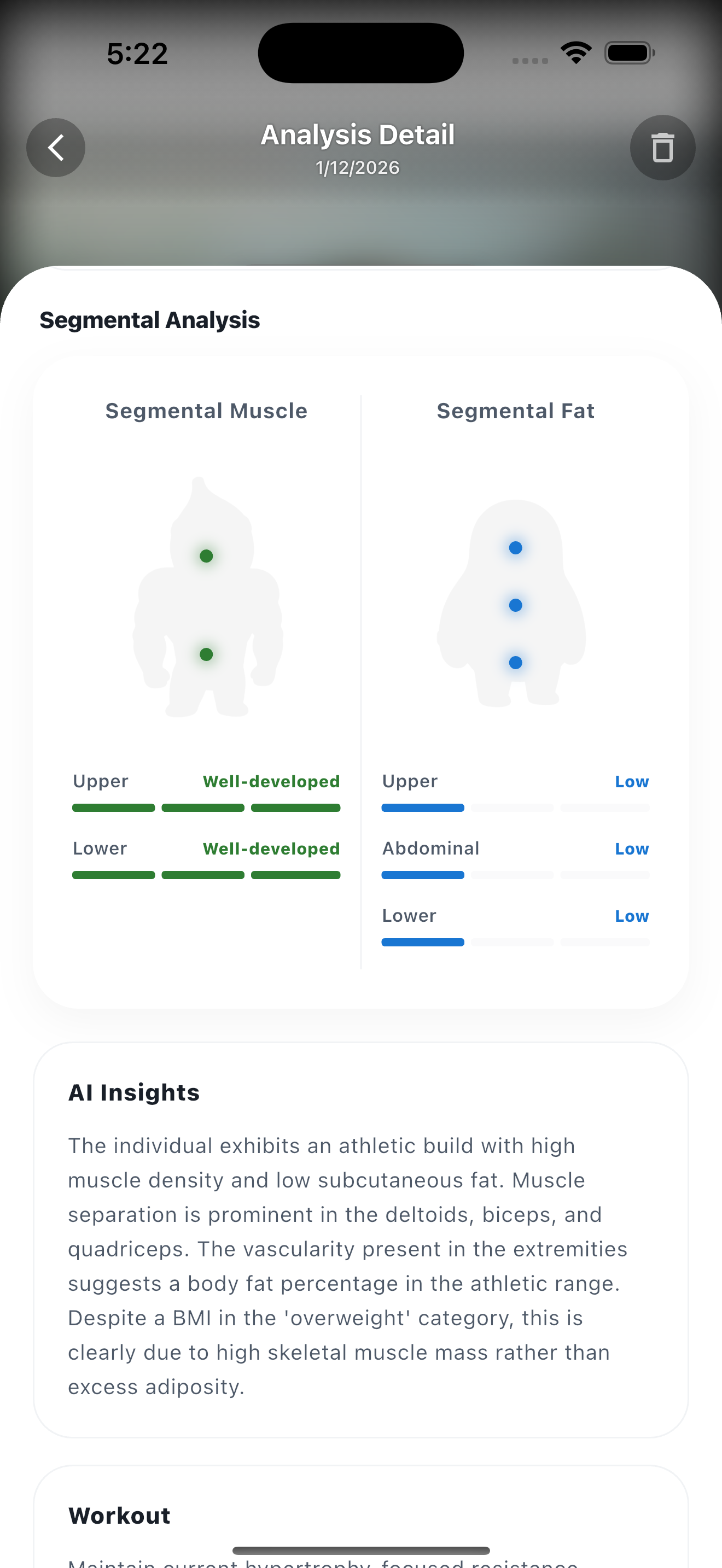 The usefulness of AI scans depends more on consistency than one-time precision.
Practical interpretation order
- body-fat direction
- muscle stability
- weight context
Then apply one small adjustment and re-test with new trend data.
Optional hybrid model
If InBody access is available:
- InBody for monthly benchmark checks
- Kodebody for weekly execution tracking
This role split combines calibration and continuity.
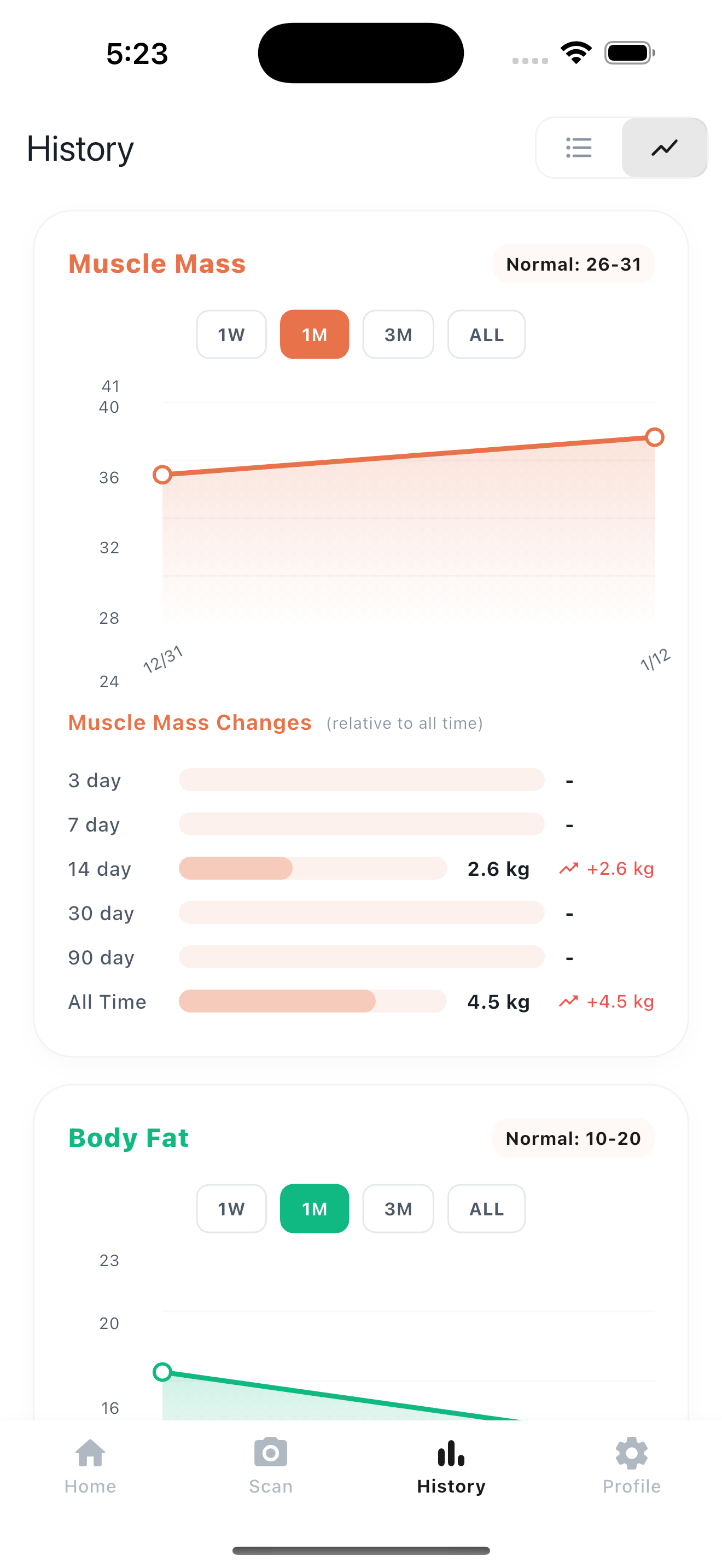 Frequent trend visibility improves weekly decision quality.
Bottom line
No InBody access is not a blocker. Poor measurement consistency is.
With repeatable AI scan conditions and trend-based interpretation, you can make reliable weekly decisions and maintain steady body composition progress.
- Product page: Kodebody
- Related read: InBody vs AI Body Composition
- Related read: Morning Measurement Checklist
- Related read: Body Fat and Muscle Tracking Strategy