Morning scans are often recommended for body composition tracking, and that advice is generally useful. But the real priority is not the clock time. It is repeatability.
If your conditions are consistent, a non-morning slot can still produce decision-grade trend data.
Why timing affects readings
Body composition values can shift because of:
- hydration status
- meal timing and sodium
- recent training stress
- sleep quality
This means scans taken under different daily conditions are harder to compare directly.
Why morning often works
Morning is easier to standardize for many people:
- lower variation from meals and movement
- easier pre-scan routine
- simpler week-to-week comparison
But if mornings are chaotic, forcing them can reduce adherence quality.
Build a repeatable protocol instead
Use either morning or evening, but keep it consistent:
- fixed scan time window
- similar pre-scan routine
- stable camera setup and posture
- short context notes for unusual days
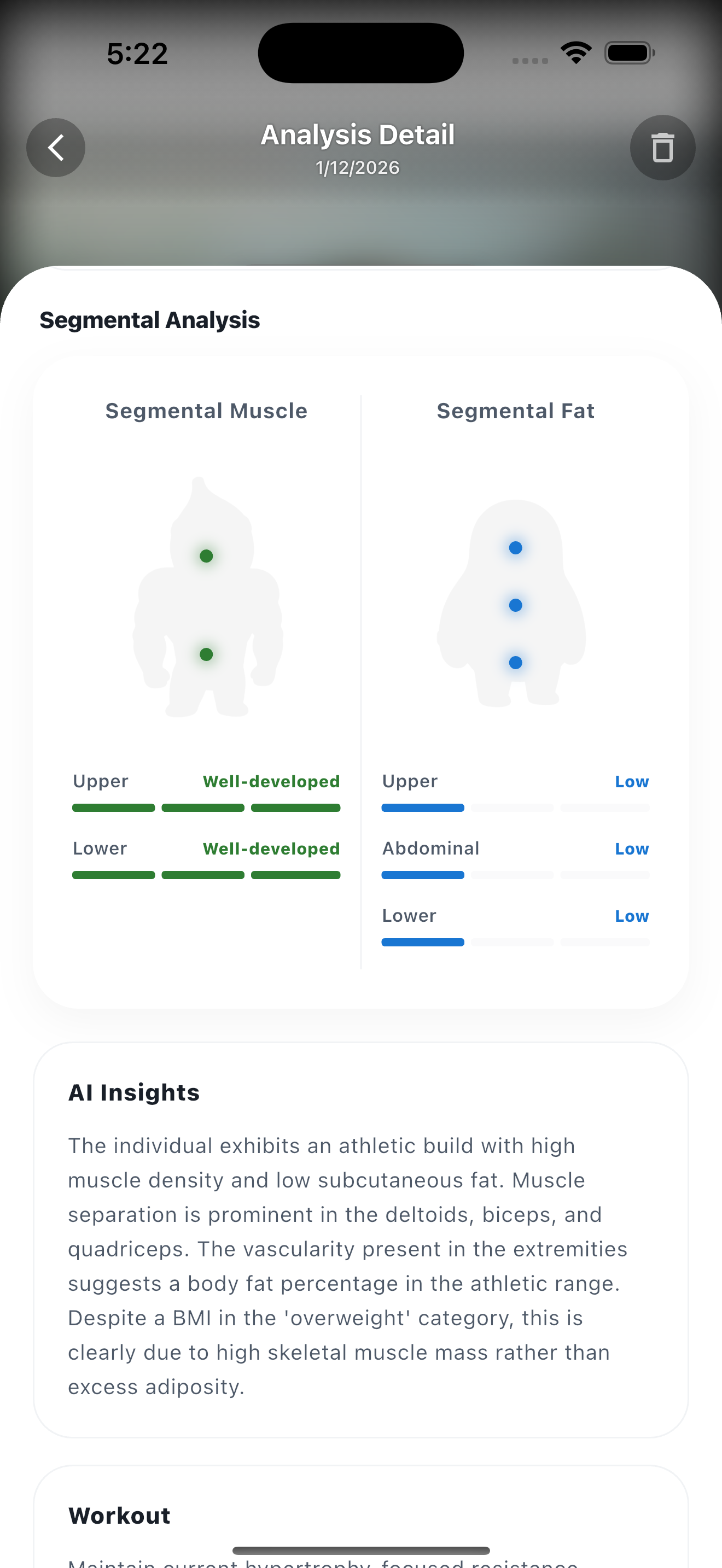 Repeatable conditions improve interpretation quality more than chasing a perfect hour.
Fast pre-scan checklist
- Same time window as usual?
- Not immediately post-workout?
- Similar meal timing as prior sessions?
- Sleep/stress context noted?
- Same setup and framing?
This 30-second process prevents many interpretation errors.
What to do when the schedule breaks
When travel or overtime disrupts timing:
- tag the session as conditional
- avoid same-day major plan changes
- restore your baseline slot over the next 2-3 sessions
You need stable-enough data, not perfect data.
Bottom line
Morning scans are helpful, but consistency is the actual lever.
Once your scan conditions are repeatable, trend reading gets clearer and weekly decisions become much easier.
- Product page: Kodebody
- Related read: Hydration and Scan Noise Guide
- Related read: How to Read Kodebody History Graphs
- Related read: How to Track Body Composition Without InBody